



When a business runs smoothly, it is easy to forget the complex machines working behind the scenes. From the air conditioning keeping customers comfortable to the refrigeration units protecting inventory, these systems are the heartbeat of any commercial property. However, waiting for a machine to break before fixing it is a strategy that often leads to high costs and lost time. Preventive maintenance is the practice of checking and tuning equipment regularly to stop problems before they start.
Understanding the True Cost of Equipment Failure
Operational downtime is more than just a minor inconvenience for a business owner or facility manager. When a critical system fails, the financial impact begins immediately and can grow quickly. You aren't just paying for a repair; you are losing the ability to serve your customers or keep your employees productive. In many cases, the "hidden" costs of a breakdown far exceed the actual bill for the fix.
Equipment that isn't maintained also has to work much harder to do its job. This extra strain leads to higher energy bills and a shorter overall lifespan for the machinery. By ignoring small issues, you might save a little money today, but you risk a massive expense tomorrow. It is helpful to recognize the different ways a lack of care can impact your bottom line.
Consider these common results of unexpected equipment failure:
- Revenue loss due to the inability to process transactions or host customers.
- Spoiled inventory or damaged products, especially in food service or medical storage.
- Overtime labor costs for emergency repairs that happen outside of normal business hours.
- Potential safety risks or health code violations that could lead to fines.
The Science Behind Preventative Care
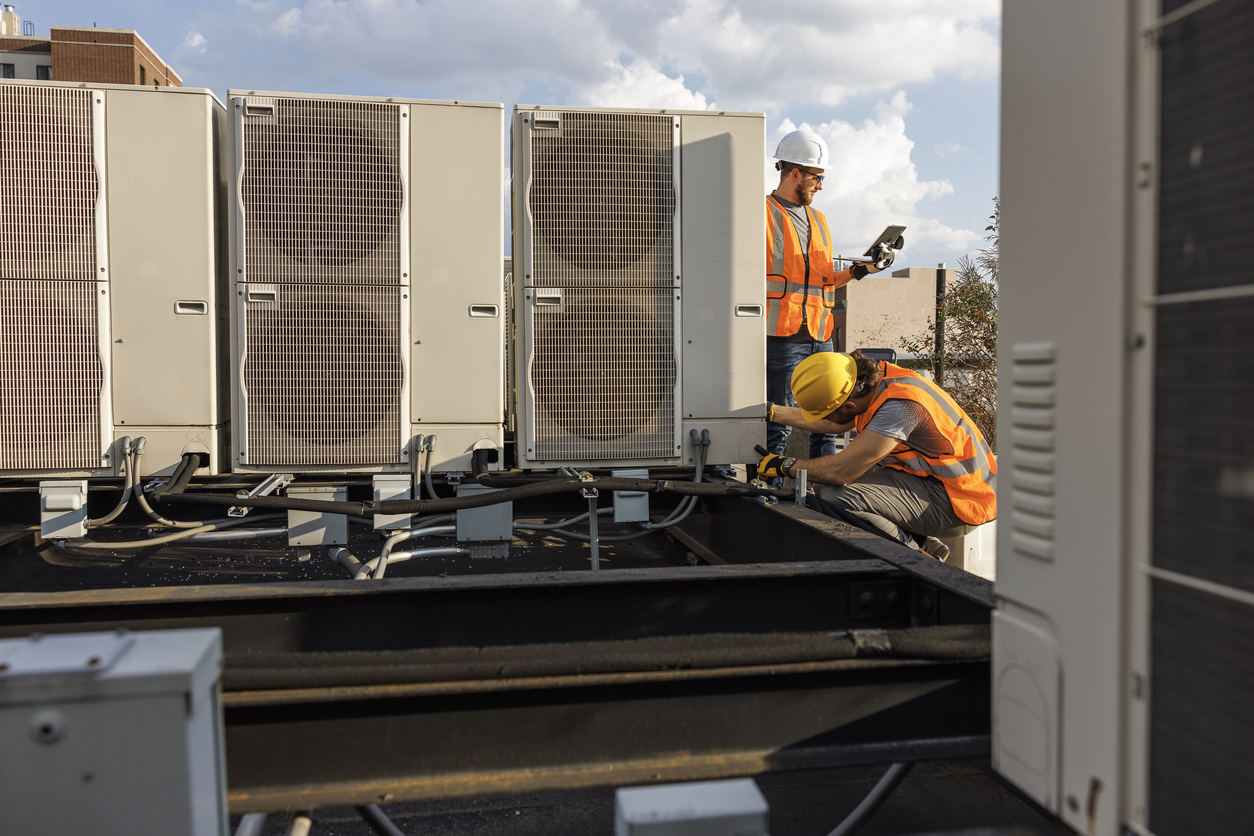
Mechanical systems are like vehicles; they have moving parts that wear down, fluids that need changing, and filters that get clogged. Preventive maintenance relies on the idea that wear and tear are predictable. By following a schedule based on how much a machine is used, technicians can replace small parts like belts or sensors before they snap and cause a total system shutdown.
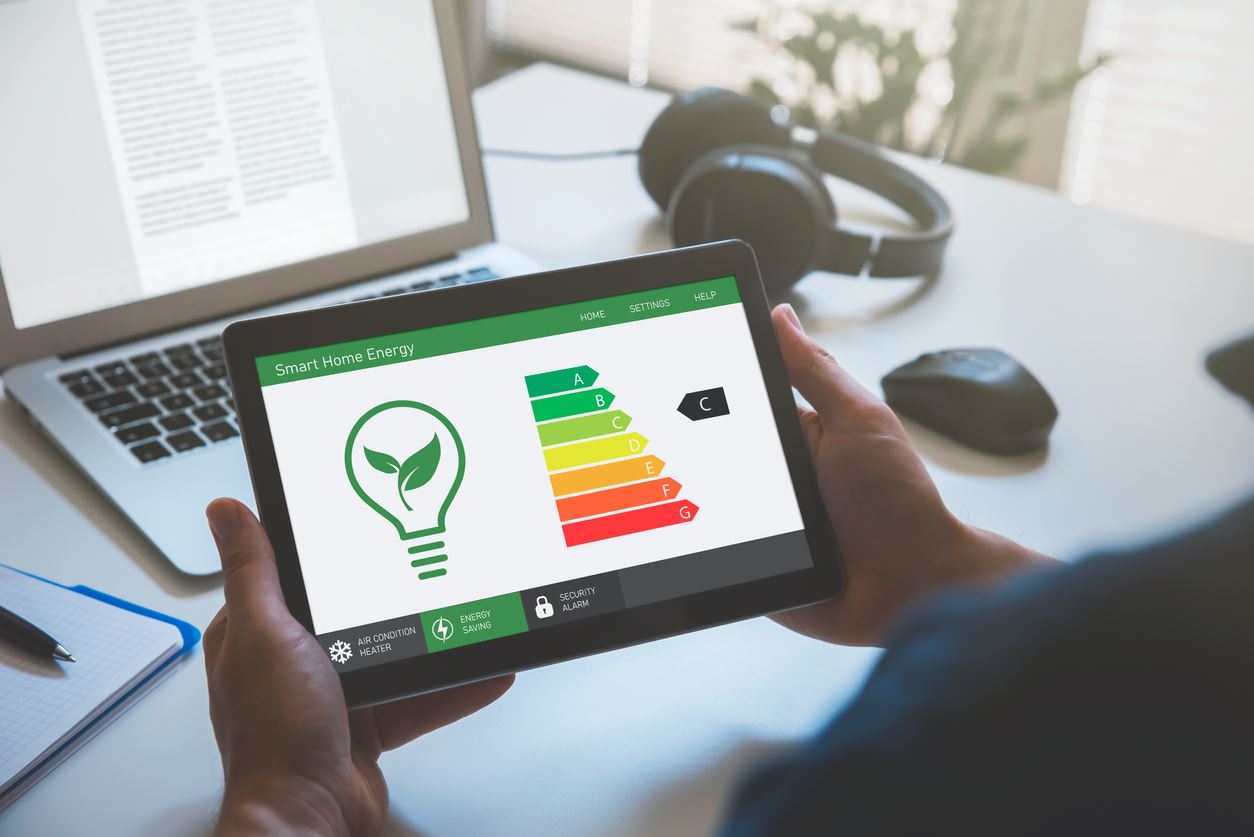
This proactive approach also allows for better air quality and temperature control. When coils are cleaned and motors are lubricated, the system runs at peak efficiency. This means it uses the least amount of electricity possible to get the job done. Staying ahead of the curve ensures that your facility remains a safe and comfortable environment for everyone inside.
A typical maintenance visit usually involves several key checks:
- Cleaning vital components to prevent dust buildup and overheating.
- Checking electrical connections to ensure there are no fire hazards or loose wires.
- Testing safety controls to make sure the system shuts off correctly in an emergency.
- Monitoring refrigerant levels and pressure to catch leaks early.
Why Consistency Matters for Long-Term Performance
Maintenance is not a one-and-done task. It is a commitment to your building's health. Systems that receive regular attention are significantly less likely to experience a catastrophic failure during a heatwave or a freeze. This consistency builds a history for your equipment, allowing technicians to spot patterns or recurring issues that might indicate a larger problem developing.
Furthermore, many manufacturers require proof of regular maintenance to keep equipment warranties valid. If a part fails and you cannot show that the machine was serviced, you might have to pay the full price for a replacement. Keeping a steady schedule provides peace of mind and protects your investment for years to come.
Securing Your Facility Against Unexpected Disruptions
Prioritizing the health of your mechanical systems is an essential step in maintaining a reliable and profitable operation. When equipment is cared for properly, it operates with higher efficiency, experiences fewer emergency breakdowns, and provides a safer environment for both staff and visitors. This proactive mindset shifts the focus from stressful firefighting to steady, predictable facility management, ensuring that your daily operations remain uninterrupted and your budget stays under control.
R. Brooks Mechanical offers comprehensive solutions to keep your commercial systems running at their best through structured facility maintenance plans. Our team provides expert technical support for commercial refrigeration, commercial HVAC, and high-capacity plumbing systems to identify potential points of failure before they cause downtime. By focusing on detailed inspections and precision tuning, we help you maintain operational continuity and equipment reliability across your entire property.
If your systems haven't been checked recently, don't wait for a breakdown to take action. Contact R. Brooks Mechanical at (855) 912-6489 or reach out through our online contact form to schedule a professional evaluation and keep your business running smoothly.

.2201040602550.jpg)
.2304031208550.jpg)